Decades-old display stood along wall on state land without lease, but removal raises questions over preserving Haebangchon’s character
Days after the removal of Haebangchon's decades-old rows of onggi drew an outpouring of sadness from residents and visitors alike, the state agency managing the land has explained why the pots had to go — and what options remain.
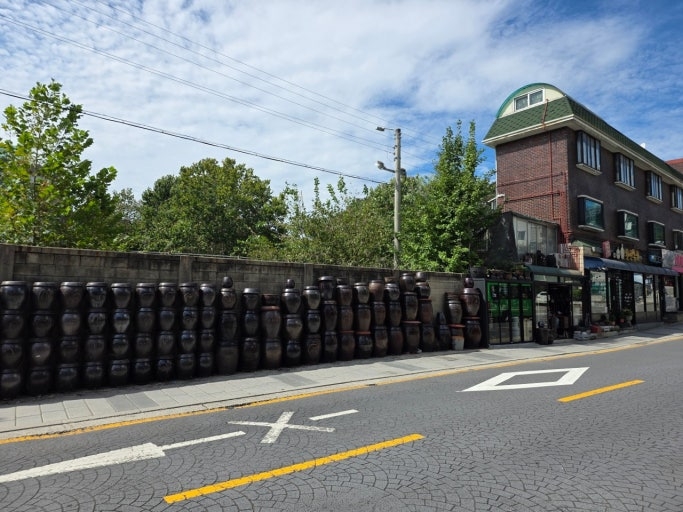
The Korea Asset Management Corp., or Kamco, told The Korea Herald that the strip of land beside Hanshin Onggi is state-owned and had been used by the shop to display "onggi" — earthenware used for fermenting foods such as kimchi and gochujang — without a lease.
Kamco has issued a preliminary assessment of around 9.5 million won ($7,060) for five years of unauthorized use of the land. The assessment has not yet been finalized, and the shop has until Sunday to respond.
"In principle, once we confirm unauthorized occupation, we are required to impose the charge, regardless of whether a complaint was filed," a Kamco official told The Korea Herald.
The official said five years is the maximum period that can be assessed retroactively under the National Finance Act. The assessment covers 10.4 square meters, which Kamco said an employee measured on site.
Removing the pots does not cancel the assessment because the charge concerns past use, the agency said.
A neighborhood responds
The explanation comes as people who knew the rows of traditional Korean earthenware pots as a familiar part of Haebangchon have begun looking for ways to respond to their removal.
Sarah Mack from the US, who has lived in Haebangchon for six years, began sharing information on how people could submit their views through the government's online civil petition system.
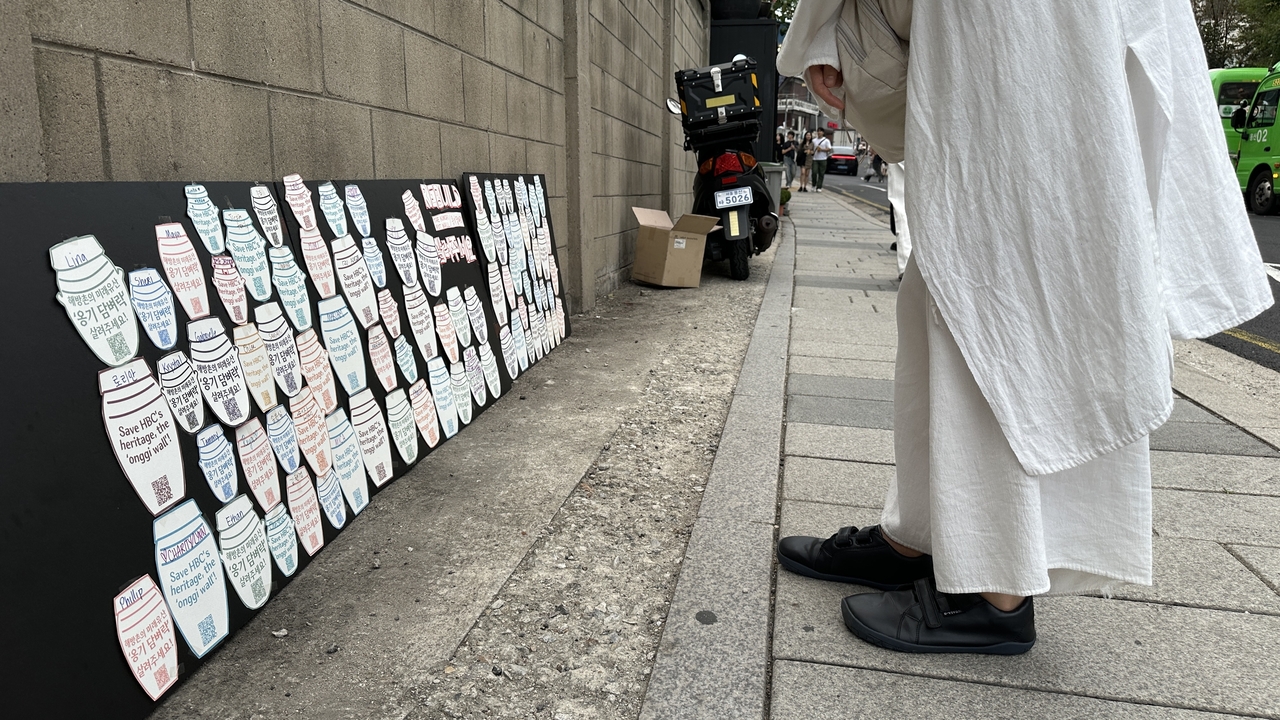
She has since re-created the former display with paper onggi, with one for each submission she personally confirmed. By Sunday, she had verified 82.
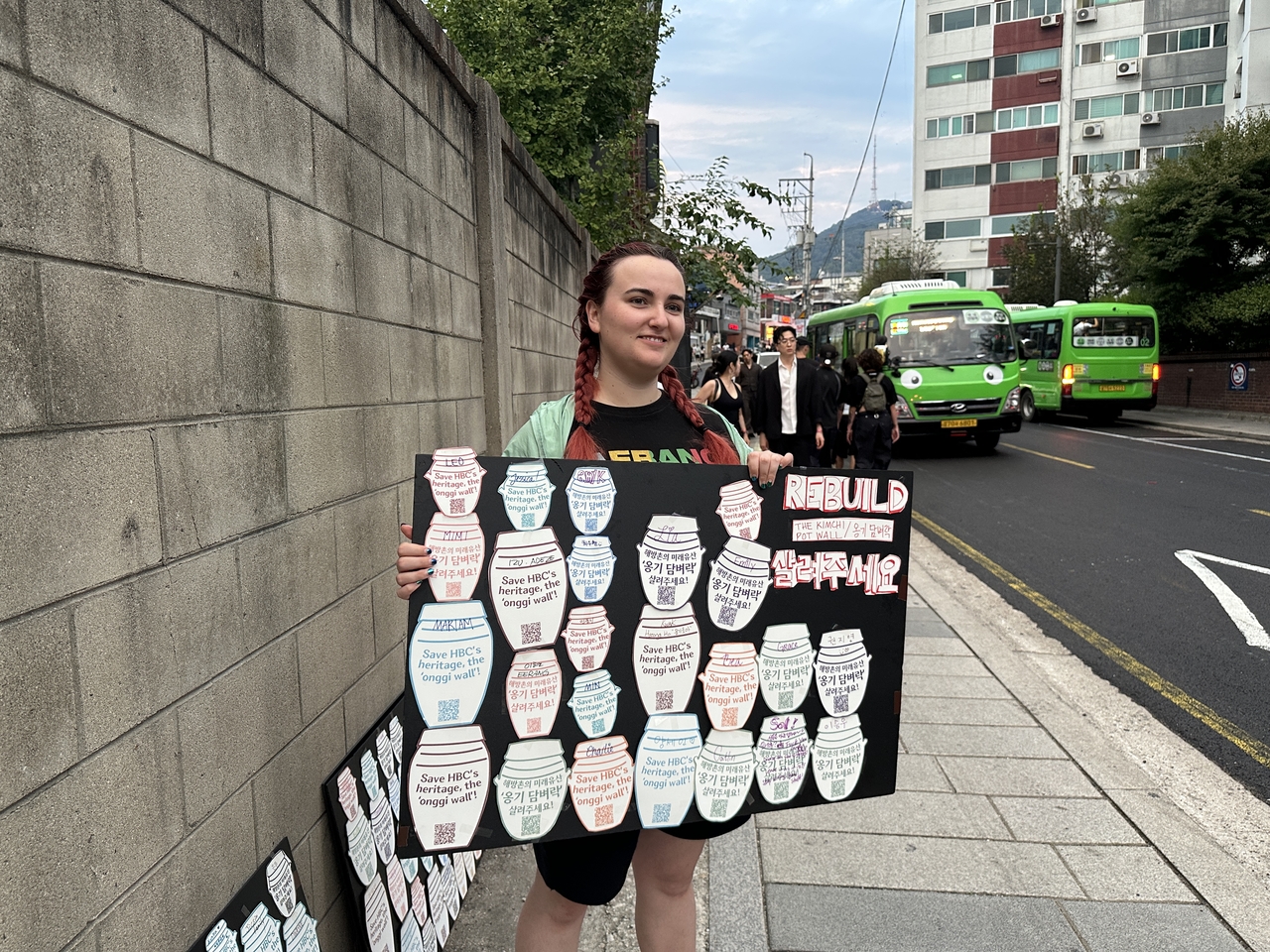
Mack made the paper pots in different sizes and colors, drawing inspiration from "obangsaek," Korea's traditional five-color palette, as well as what she felt the presence of the onggi represented to the HBC community.
"The onggi kind of feel like the people of Haebangchon," Mack said. "Some of them are big, some of them are small, some are a little misshapen, some are different colors. But they all belong here, just like we all belong here."
The response has surprised Yoon Yoo-jin, the daughter-in-law of the late Hanshin Onggi founder Shin Yeon-geun, who now runs the shop. She recalled several people, including foreign nationals and a local guide, coming by during the removal and expressing their sadness.
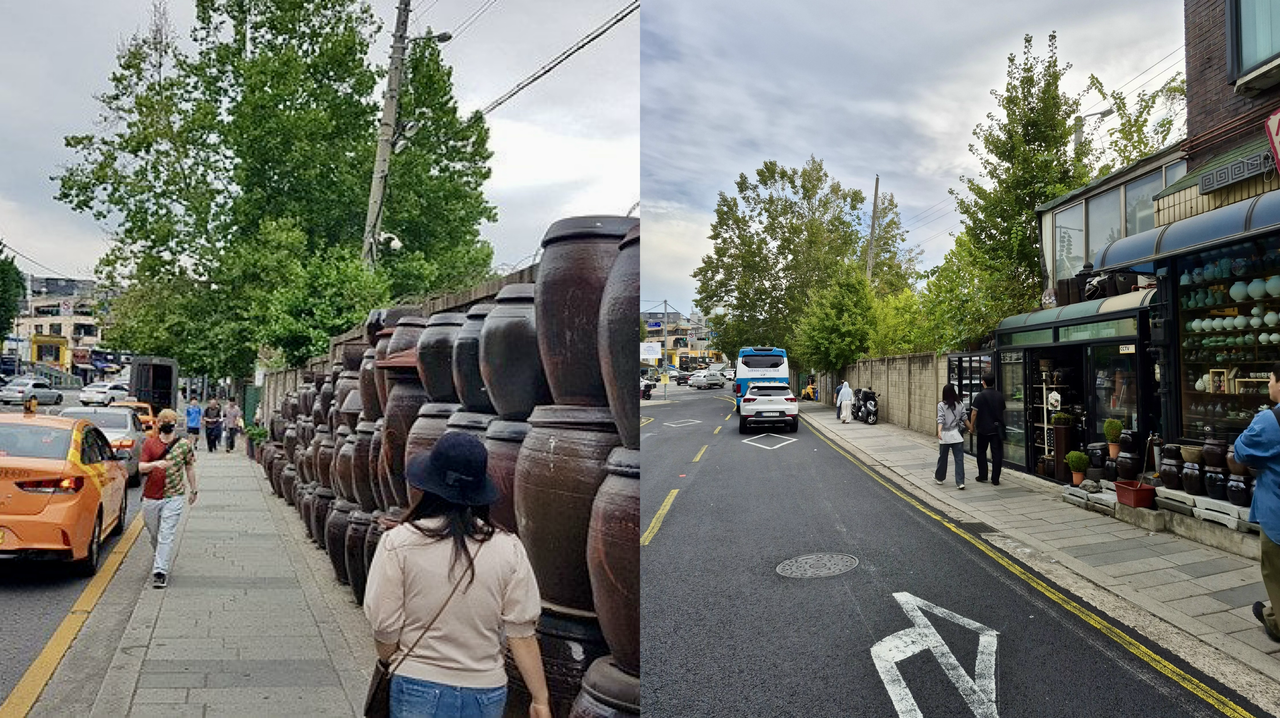
Over the decades, the rows of "kimchi pots" in all shapes and sizes that Shin had gradually stacked over the years grew into an unofficial Haebangchon landmark and popular photo spot. Hanshin Onggi, which opened in 1967, was later recognized by the city as both a Seoul Future Heritage site and an "Oraegage" — a long-running local business — and Shin's life story was featured in a national exhibition marking the 70th anniversary of Korea's liberation in 2015.
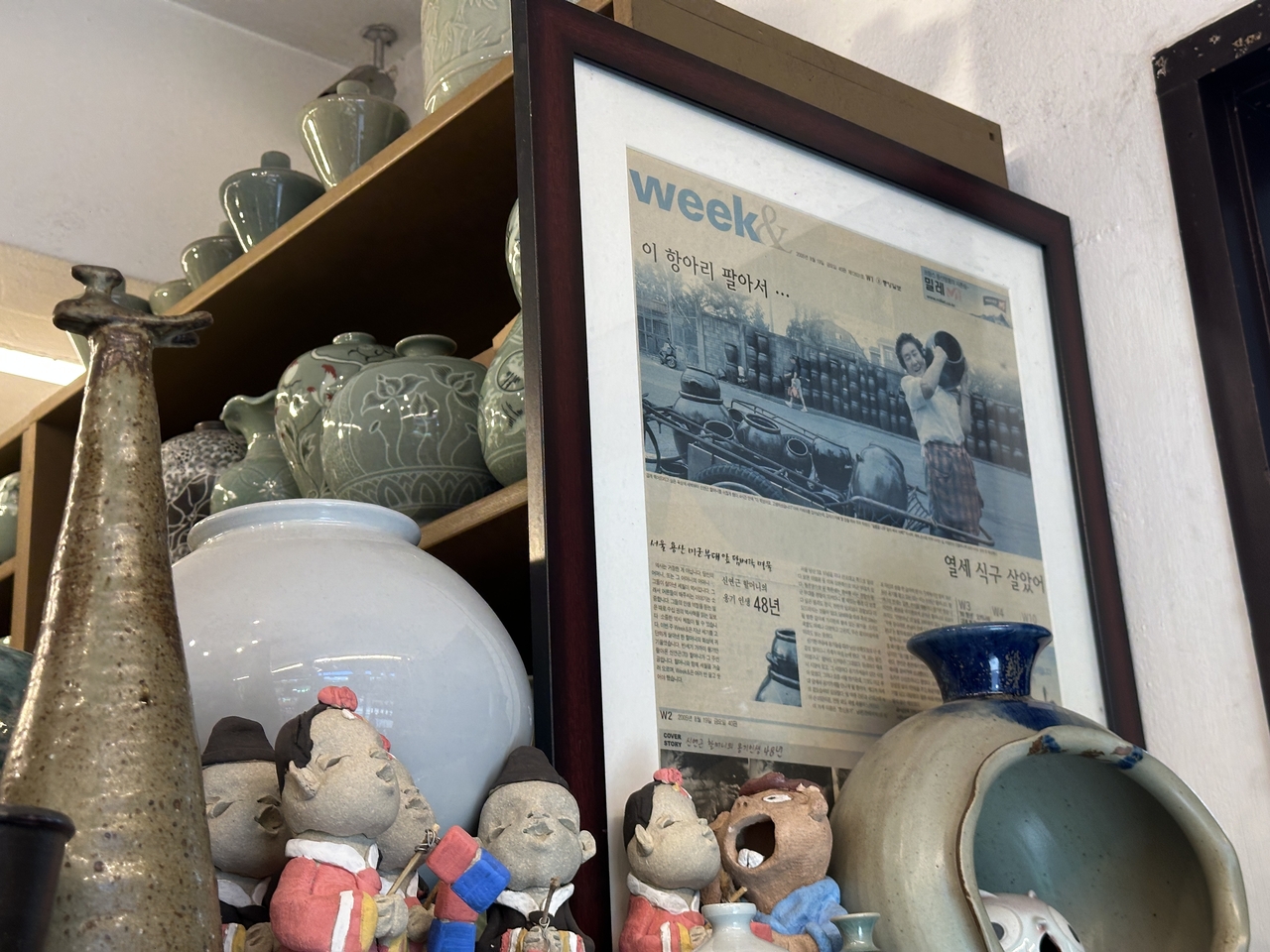
For Yoon, the irony was difficult to ignore: The onggi had long been celebrated as part of Haebangchon's heritage, yet when it came time to remove them, she felt that history was met with little consideration.
Asked whether the display's history or previous cultural recognition could be considered in the assessment, the Kamco official said the agency manages state property under the State Property Act, which does not provide for such factors when determining the charge.
Kamco said, however, the shop may qualify for a separate relief measure for small businesses that could significantly reduce the charge if it submits the required documentation.
The pots and tower
Beyond the questions over the land and assessment, the removal has prompted reflection on what gets lost as Haebangchon's landscape continues to change.
For Mack, the pots were part of the neighborhood's visual identity. She recalled repeatedly seeing the same two features in artwork depicting Haebangchon: Namsan Tower above the neighborhood and the rows of "kimchi pots" below.
"It's the pots and the tower," she said. "Those are the two things."
Other comments on a previous The Korea Herald story reflected a similar sense of loss and pity, including from people whose connections to the neighborhood stretch back decades.
Georgette Von-Ada shared that she had lived across the street from Hanshin Onggi 30 years ago.
"I am so sad to see Korea changing too much and getting rid of iconic neighborhoods," she wrote.
After learning of the removal, she said that she returned to the shop on Sunday and bought the same size and style of pot she remembered from three decades earlier.
What remains, what changes
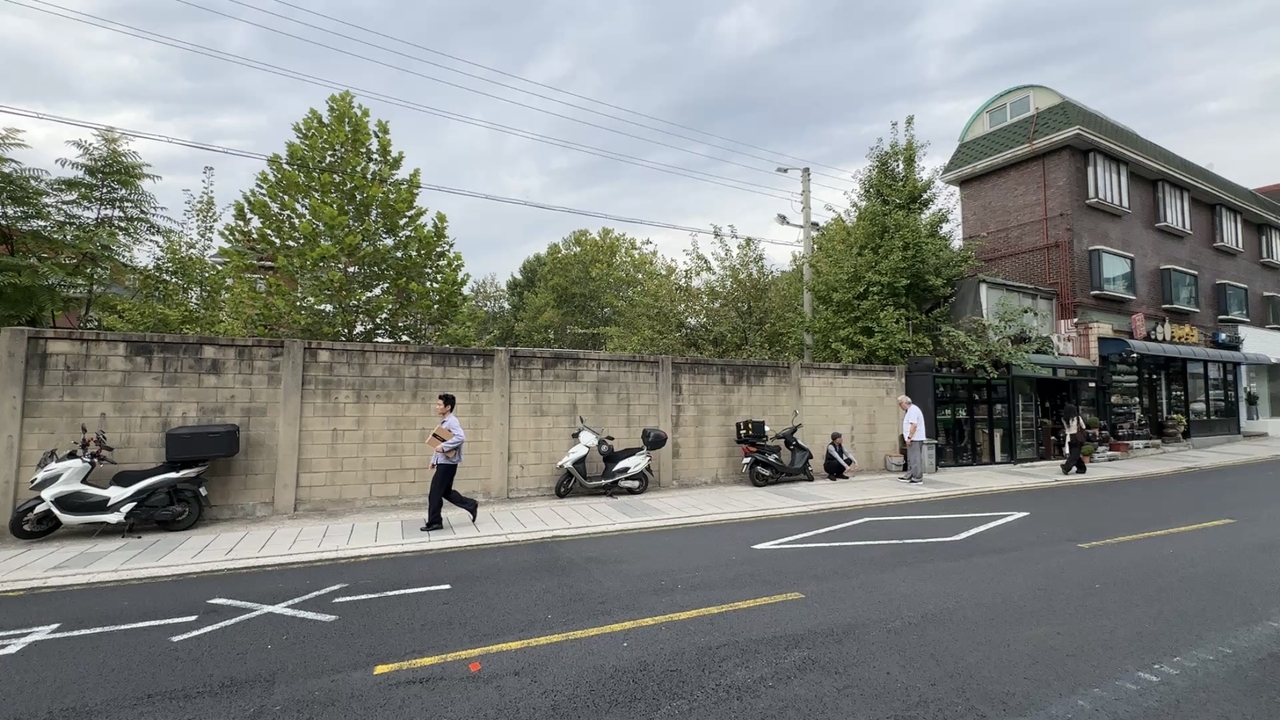
Yoon has noticed how quickly the cleared space has changed. Motorbikes are now parked where the pots once stood, she said.
While she has accepted that the land did not belong to the family, she still wishes Seoul could retain places where onggi remain part of the streetscape, as older neighborhoods are increasingly reshaped by redevelopment and commercialization.
Even as Seoul continues to change, "I wish there'd be room for at least one street like this," Yoon said.
Mack expressed a similar sentiment.
"Right now, there are just motorcycles parked there, people smoking and dropping their cigarette butts," Mack said. "We've lost this and we've gained nothing."
tammy@heraldcorp.com